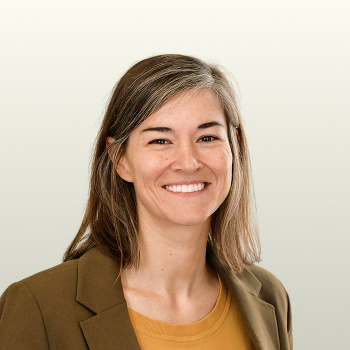
Crops face mounting stress from heat, drought, and salinity long before symptoms are visible to the eye. Detecting those stresses early, and doing it in ways that scientists and breeders can actually use, is what drives Dr. Malia Gehan at the Donald Danforth Plant Science Center in St. Louis..
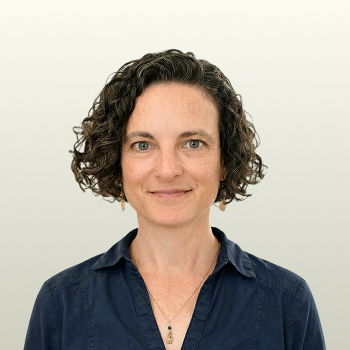
“Plants grow outside. They get stressed by heat and cold. For years, I spent painstaking hours measuring plants to determine their stress levels. When I came to Danforth, I realized we could build tools that do this faster, better, and make them open-source so everyone can use them,” she says.
About eleven years ago, Gehan and her colleagues began developing PlantCV, an open-source toolkit for analyzing plant images. What started as a home-grown solution for their own data has become a community platform to analyze everything from microscopy to controlled-environment imaging to field-scale geospatial data.
Gehan didn’t set out to be a scientist. “I thought I was going to be a history major,” she laughs. A freshman course called Science in the News changed that. “It showed me how our lives are connected to science — how what’s in the news affects us directly.”
Summer research at Willamette University in Oregon led to an interest in plant physiology; a Ph.D. at Michigan State turned that curiosity into a career studying how plants adjust to environmental stress. Today, her lab studies how plants cope with temperature extremes — from basal tolerance, their built-in resilience, to acclimation, the way mild stress helps them prepare for harsher conditions. Understanding that variation across species could help breeders develop crops that thrive under stressful conditions.
When Gehan and postdoctoral colleague Noah Fahlgren (now Danforth’s Director of Data Science) arrived in St. Louis, the Danforth Center had invested in robotic imaging systems that photographed thousands of plants each day, but lacked tools to process the data. Commercial software was costly and poorly aligned with plant biology, and other open-source options couldn’t handle the scale.
The pair built their own solution and made it open-source from the start. The result was PlantCV, a modular toolkit that lets researchers reuse core components such as segmentation, color, and shape analysis while adding new steps as needed.
PlantCV’s philosophy is straightforward: modular, reusable building blocks that researchers can mix and match without reinventing the wheel. “In genomics, DNA is DNA — you can reuse a lot of the same tools across species,” Gehan explains. “In phenotyping, flowering looks different in every plant. We didn’t want a new tool for every new trait or species.”
That modular, open design also addresses a weakness common to research software — sustainability.
“Over and over, someone would build a great tool, publish, then graduate. Six months later, it’s out of date. We wanted a core that a community could maintain,” she says.
Today, the PlantCV community includes nearly 70 contributors, and PlantCV has been used in nearly 200 scientific publications – most from labs she’s never met.
“That’s the most rewarding part,” she says. “It means the tool is letting other people do science.”
Gehan’s group keeps its ambitions grounded in the realities of scientific work. Progress, she notes, depends on defining clear questions instead of trying to measure everything at once, easing the heavy workload of labeling data for machine learning, and ensuring that methods developed in predictable growth chambers can withstand the noise and variability of real field conditions.
The team is addressing those bottlenecks through simpler annotation tools, better interoperability with existing software, and a focus on usability — so biologists can focus on the science rather than the coding.
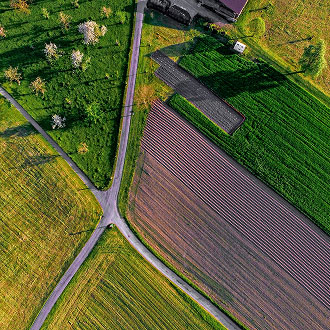
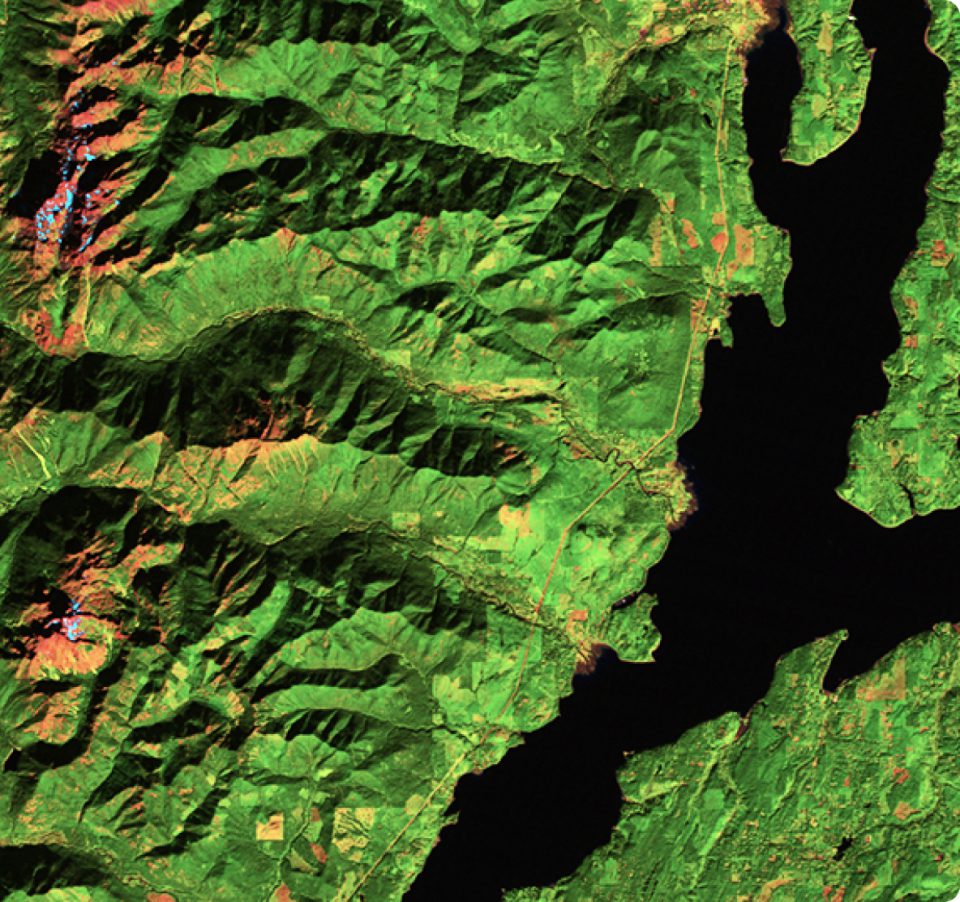
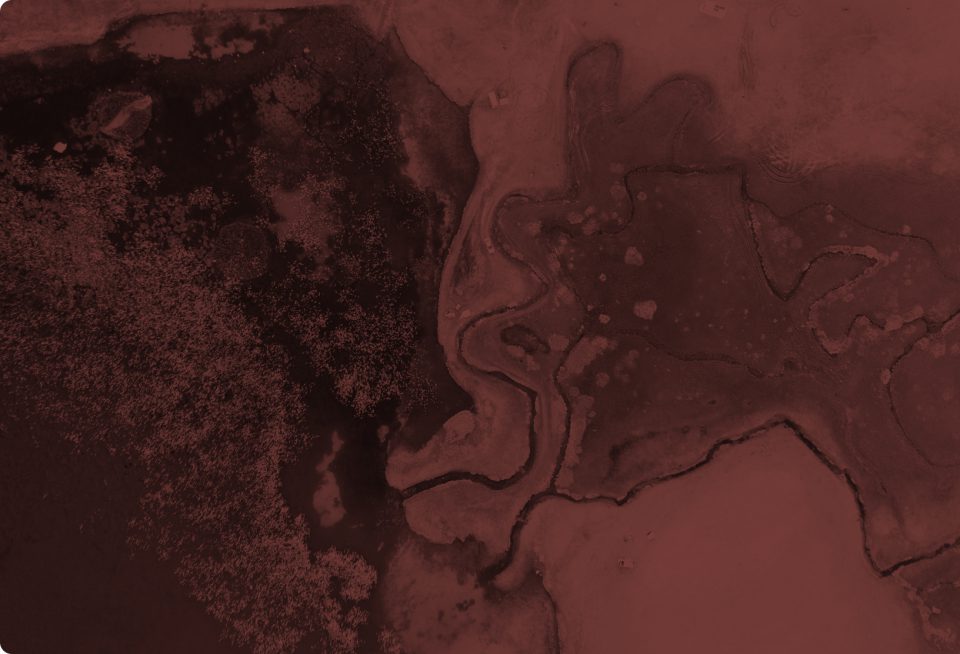
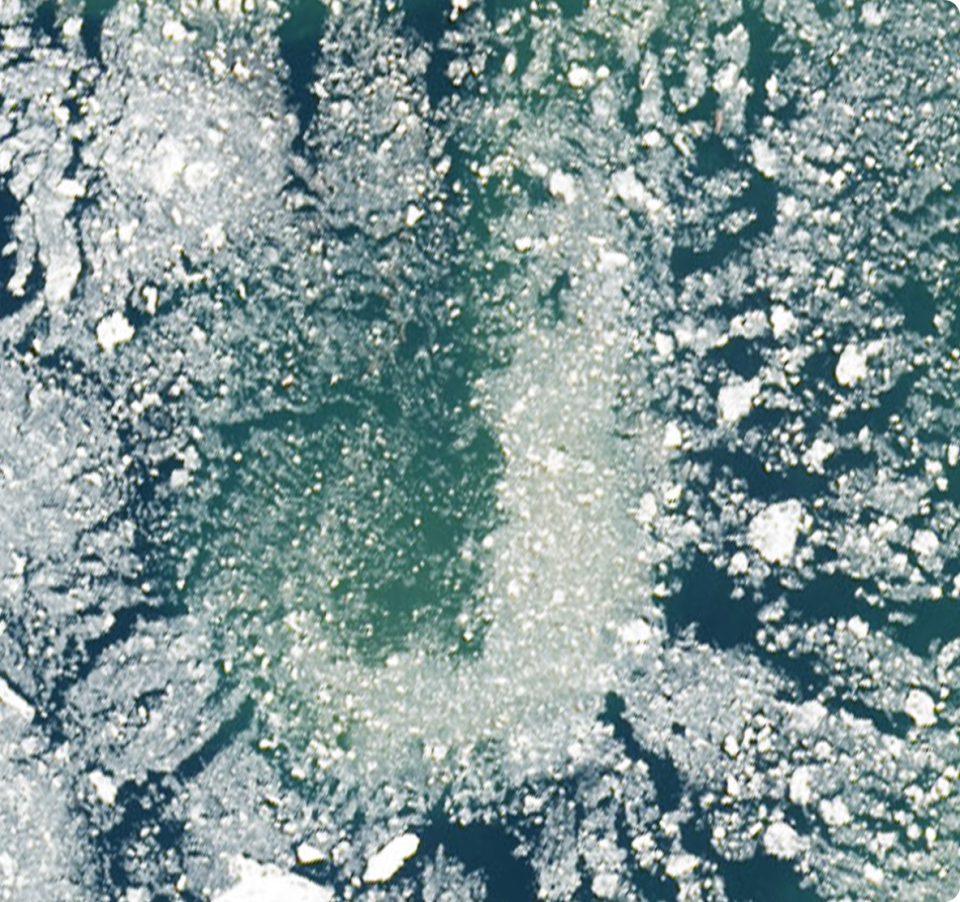
That focus is now extending outdoors through PlantCVGeospatial, a new subpackage that connects PlantCV’s image-analysis strengths with field, drone, and satellite data. Rather than replace established geospatial tools, the aim is to make PlantCV work smoothly with them and help new users bridge the gap between lab and field data.
Already, the software is being used in unique experiments, such as validating traits in teff (Eragrostis tef, an annual species of lovegrass native to Ethiopia) breeding trials, and integrating prototype breeder workflows through the national Breeding Insights Program — proof that the project is translating code into real-world decisions.
Gehan’s work thrives within St.Louis’s close-knit research community and the collaborative culture of the 39 North innovation Ag Innovation District. That environment has fostered lasting partnerships and data-sharing initiatives across disciplines. Within the Danforth Center, Gehan is part of an interconnected “team of teams.” Alongside phenotyping director Katie Murphy and longtime collaborator Noah Fahlgren, she shares personnel, data scientists, and even grant writing duties — an arrangement that reflects the Center’s culture of collective problem-solving.
“It’s an amazing community. There’s this huge concentration of expertise and knowledge. People tend to stay in St. Louis or come back because of it,” she says.
For the Taylor Geospatial Institute, Gehan’s lab embodies the bridge between plant biology and spatial science that its mission envisions. By connecting imaging, open data, and geospatial analytics, her team is helping build the foundation for more resilient food systems.
With extremes in weather, high-throughput imaging and sensing have become essential tools in crop research. Gehan’s focus on openness and practical design keeps that technology grounded in reality, and in the service of people who grow and study plants.